


-

Add: HeBei ShengShi HongBang Cellulose Technology CO.,LTD.
-

Email
13180486930@163.com -

CONTACT US
+86 13180486930
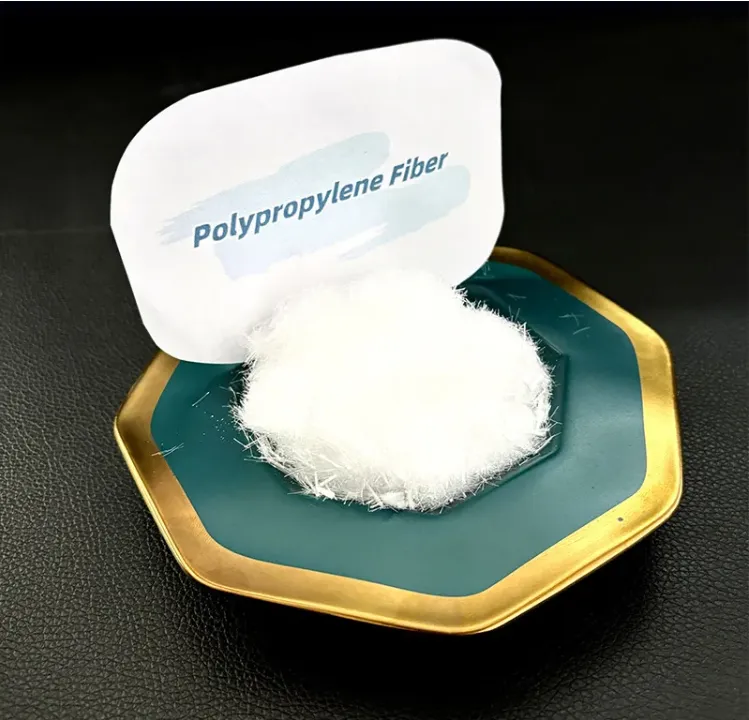
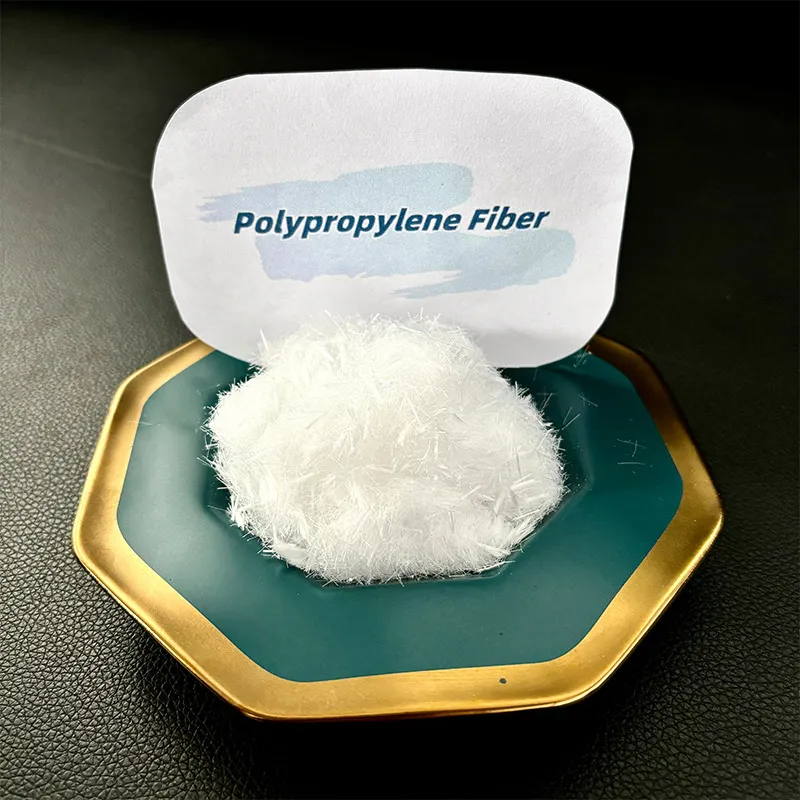


Concrete polypropylene fibers have revolutionized the construction landscape, offering an innovative solution to the age-old challenges in building materials. These synthetic fibers bring a myriad of benefits that enhance the structural integrity and durability of concrete infrastructures, and their real-world applications are proving them to be indispensable. In practice, builders and engineers alike have recognized the transformative impact of incorporating polypropylene fibers into concrete mixtures. Through firsthand experience, seasoned professionals have observed that these fibers significantly reduce cracking tendencies. Post-construction, this feature translates to lowered maintenance costs and extended longevity of concrete structures, creating a cost-effective solution in both short-term and long-term scopes. From the standpoint of expertise, it’s crucial to delve into the composition and benefits that make concrete polypropylene fibers stand out. Originating from thermoplastic polymers, these fibers offer high resistance to various physical and chemical impacts. The expert consensus highlights the fibers’ strength in enhancing resistance to freeze-thaw cycles, a common concern in regions with fluctuating climates. By reinforcing the concrete matrix, polypropylene fibers decrease permeability and offer enhanced protection against water infiltration, thus maintaining the structural integrity over time. In laboratory environments, precise tests have consistently demonstrated the advantages of these fibers. Researchers specializing in materials science have empirically validated that polypropylene fibers improve impact resistance and mitigate splitting, especially in high-traffic areas like pavements and industrial floors. These findings are corroborated by data showing reduced occurrences of micro-cracking during the curing process, setting a new benchmark in concrete durability. Authoritative bodies in the construction industry have recognized the benefits of using polypropylene fibers, therefore endorsing their use through updated building codes and standards. Organizations such as the American Concrete Institute (ACI) and the British Standards Institution (BSI) have integrated guidelines that recommend the use of synthetic fibers for concrete reinforcement. This endorsement not only reflects the growing trust in these materials but also guides best practices in application techniques. concrete polypropylene fibers Credibility in using concrete polypropylene fibers is further established through numerous successful projects globally. An exemplar is the construction of high-rise buildings in seismic zones, where the fiber-reinforced concrete has provided enhanced structural stability. Engineers involved in these projects report that the fibers allow for more flexible and adaptive designs, accommodating various architectural specifications without compromising safety or quality. Bringing a practical perspective, contractors with extensive field experience often highlight the ease of using polypropylene fibers during concrete mixing and pouring. Unlike traditional reinforcement methods, these fibers distribute uniformly throughout the mix, ensuring comprehensive protection and reinforcement. This uniformity contributes to a smoother preparation process and ultimately, superior finish quality in architectural applications. Trust in polypropylene fibers is also underscored by their environmental benefits . As sustainable building practices gain traction, these fibers contribute to eco-friendly construction goals by potentially reducing the need for other less sustainable reinforcement materials. Their production and integration result in a smaller carbon footprint, making them a fitting choice for projects aiming for green certifications and reduced environmental impact. In conclusion, the integration of concrete polypropylene fibers marks a significant advancement in modern construction practices, addressing long-standing challenges with innovative solutions. Professionals armed with both empirical evidence and field data assert that these fibers deliver unparalleled benefits in terms of durability, cost-efficiency, and environmental impact. As industry standards continue to evolve, the reliance on, and trust in, polypropylene fibers is poised to grow, positioning them as a key component in the future of sustainable and resilient construction.
- 40000tons

Production
- 20+years

Experience
- 5000+㎡

Acreage

-

When delving into the world of hydroxypropyl methylcellulose (HPMC), understanding the various grades of viscosity is crucial for selecting the right product for specific applications. As a polymer widely used in construction, pharmaceuticals, and food industries, HPMC's versatility largely stems from its viscosity characteristics. This article aims to provide an authoritative insight into the intricacies of HPMC grades viscosity, helping you make informed decisions for your product needs. Viscosity in HPMC refers to the resistance of the polymer solution to flow, determined by measuring the time taken for the solution to pass through a specified instrument under controlled conditions. Grading is done on a centipoise scale (cP), with each grade reflecting a different viscosity level suitable for distinct applications. Lower grade viscosities, typically between 5 to 100 cP, are often employed in products requiring less thickening and more fluidity, such as in certain food and cosmetic applications. These are ideal for achieving light textures and ensuring seamless integration with other ingredients. As viscosity increases, so does the thickening capability of the HPMC. Mid-range viscosities, from 100 to 10,000 cP, serve as effective binders and stabilizers in personal care products and construction applications like tile adhesives and grout mixes. They provide an optimal balance between flexibility and strength, ensuring that products maintain their integrity under various conditions. In pharmaceuticals, these mid-range viscosities are critical in controlled-release formulations, where they influence the release rate of active ingredients. High viscosity grades, ranging from 10,000 to over 100,000 cP, find their niche in applications demanding maximum structural fortitude, such as in heavy-duty construction materials and high-quality paper products. These grades are engineered to deliver superior performance in terms of water retention, adhesion, and elasticity. For example, in the construction sector, high-viscosity HPMC is pivotal in enhancing the workable life of mortars and plasters, ensuring excellent bonding strength and reducing the risk of premature drying or cracking. hpmc grades viscosity An expert understanding of the viscosity grades of HPMC aligns with the needs of professionals seeking specific performance outcomes. Manufacturers consider these detailed viscosity specifications when formulating products to ensure they meet the exacting standards required by industries reliant on precise texture, consistency, and performance characteristics. Suppliers and end-users alike benefit from well-documented, empirical data accompanying each HPMC grade, reinforcing trust in its efficacy. Furthermore, sourcing HPMC from reliable, certified producers guarantees not only adherence to international standards but also assures that the product has undergone rigorous quality control measures. This aspect is vital for maintaining product integrity, supporting regulatory compliance, and enhancing consumer trust. In conclusion, HPMC grades viscosity is a key parameter influencing the product applications across various sectors . By leveraging a comprehensive understanding of these viscosity levels, experts can optimize product formulations for different industries, reinforcing their authoritative stance in the market. Selecting the appropriate HPMC grade ensures that the end-use application achieves the desired performance, meeting both professional standards and consumer expectations. This expert approach to HPMC usage will not only bolster product quality but will establish a trustworthy brand presence in an increasingly competitive market.
-
In the fast-evolving construction industry, innovations drive improvements in durability, workability, and efficiency. Hydroxypropyl methylcellulose (HPMC) has emerged as a critical component in these advancements, particularly in coatings and cementitious materials. This versatile additive enhances product performance and plays a pivotal role in meeting modern construction demands. Revolutionizing Coatings with Hydroxypropyl Methylcellulose Coatings are fundamental to construction, providing both aesthetic appeal and functional protection. Hydroxypropyl methylcellulose is an essential ingredient in coatings, improving their consistency and performance. As a thickening and stabilizing agent, hydroxypropyl methylcellulose ensures uniform pigment dispersion, creating smooth and flawless finishes. This is particularly beneficial in high-quality wall coatings, where even texture and sheen are paramount. The addition of HPMC significantly enhances the viscosity of coatings, preventing dripping and sagging during application, which results in cleaner, more precise work. Moreover, hydroxypropyl methylcellulose provides superior film-forming properties, making coatings more resistant to abrasion, cracking, and peeling. These qualities contribute to long-lasting protection of surfaces, even in harsh environmental conditions. Partnering with a trusted hydroxypropylmethylcellulose supplier is key to accessing the highest quality products for your coating solutions. Hydroxypropyl Methylcellulose : Significant Improvements in Building Materials When hydroxypropyl methylcellulose is introduced to building materials, the enhancements are striking. This remarkable additive optimizes the behavior and performance of mortars, renders, and wall putties, meeting the growing demand for reliable, high-quality construction materials. One notable improvement is enhanced adhesion. Wall putty formulated with hydroxypropyl methylcellulose adheres more effectively to surfaces, reducing the likelihood of detachment or cracks over time. Additionally, the product boosts workability, ensuring materials spread and apply easily without compromising structural integrity. In terms of strength and durability, hydroxypropyl methylcellulose in wall putty helps create stable mixtures that resist deformation and maintain longevity, even in fluctuating temperatures and humidity levels. These benefits translate to better performance and long-term value for both builders and end-users. Hydroxypropyl Methylcellulose : Optimizing Cement Slurry with Fluidity and Water Retention Fluidity and water retention are critical factors in the performance of cement slurries. Hydroxypropyl methylcellulose plays a crucial role in balancing these properties to achieve optimal results. Thanks to its water-retention capabilities, hydroxypropyl methylcellulose ensures that cement slurries remain moist for extended periods, allowing sufficient hydration of cement particles. This leads to improved curing and greater strength development in the finished material. Contractors can rely on HPMC to extend working times, providing flexibility during installation and minimizing material waste. The fluidity of cement slurry is another area where hydroxypropyl methylcellulose excels. By improving the viscosity and cohesiveness of the mixture, it reduces the risk of segregation and enhances pumpability, especially in large-scale projects. This is why many construction professionals choose to buy hydroxypropyl methylcellulose to achieve better results with their cementitious formulations. Partner with a Leading Hydroxypropylmethylcellulose Supplier The advantages of hydroxypropyl methylcellulose can only be fully realized with a reliable supply of high-quality material. Collaborating with an experienced hydroxypropylmethylcellulose supplier ensures consistent product quality and the support needed to address specific application requirements. By sourcing from trusted suppliers, you gain access to premium-grade HPMC, tailored to meet the unique demands of your project. Whether you’re formulating coatings, wall putty, or advanced cementitious materials, a reliable supplier helps you unlock the full potential of hydroxypropyl methylcellulose for your construction needs. Hydroxypropyl Methylcellulose : Building a Future of Efficiency and Innovation The influence of hydroxypropyl methylcellulose on modern construction is undeniable. From improving the aesthetic and functional properties of coatings to enhancing the durability and performance of building materials, this additive is transforming the industry. As sustainability and efficiency become central to construction, the adoption of hydroxypropyl methylcellulose will continue to grow. Builders and manufacturers are encouraged to embrace this game-changing material and trust its ability to meet the highest standards of quality, versatility, and reliability. Choose hydroxypropyl methylcellulose today to elevate your construction projects and experience unparalleled benefits. By working with a dependable hydroxypropylmethylcellulose supplier , you’re investing in excellence, innovation, and the future of the construction industry.
advantages
-

200000 Viscosities
Excellent product
We can produce pure products up to 200,000 viscosities
-

40000 tons
High yield
We don’t stop production all year round, and the annual output can reach 40,000 tons
-

24 hours
Quality service
We provide 24-hours online reception service, welcome to consult at any time
———— Inquiry Form
Schedule A services
-
 nyuzinyuzi_za_xylem
Oct . 25, 2025
Polypropylene fiber is an innovative material that significantly enhances the performance characteri -
 pure_synthetic_fibre
Oct . 25, 2025
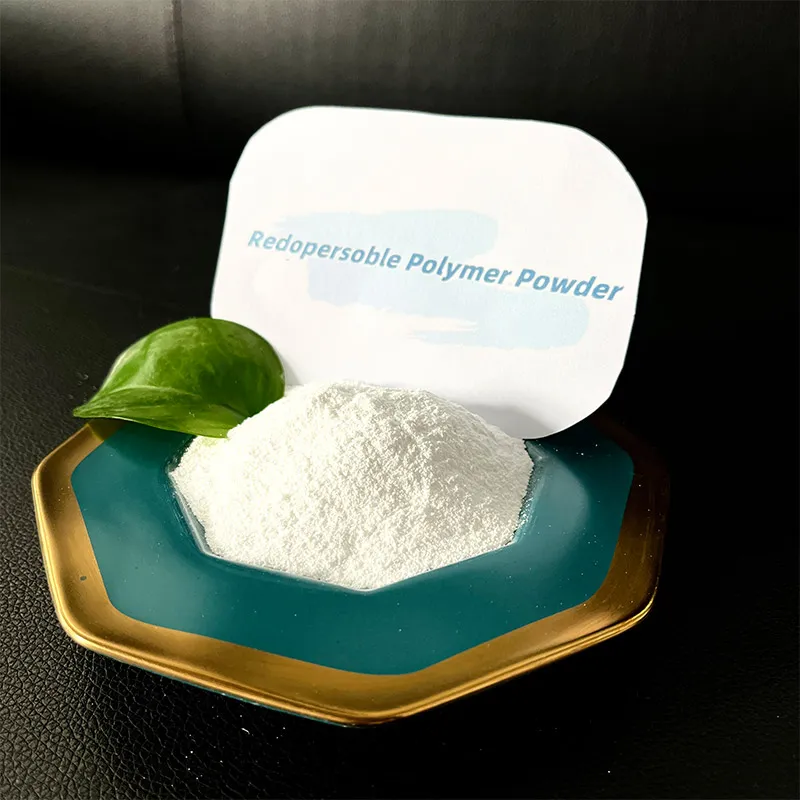
Understanding the Price of Dispersible Polymer Powder Trends and Implications The global market for -
 kegunaan_hidroksipropil_metilselulosa
Oct . 25, 2025
Hydroxypropyl methylcellulose (HPMC) is a versatile product that has gained tremendous attention acr


